Interior Selective Demolition In Detroit MI
Interior selective demolition in Detroit, MI, is reshaping the landscape of metropolitan revival. This approach permits the mindful elimination of non-structural parts, preserving the personality of historical buildings. It supplies monetary advantages and promotes sustainability with product reuse. Numerous successful tasks illustrate its potential. Nonetheless, the implications of this method prolong beyond plain visual appeals. Recognizing the more comprehensive effect on the area and atmosphere increases vital inquiries for Detroit's future.
The Advantages of Interior Selective Demolition
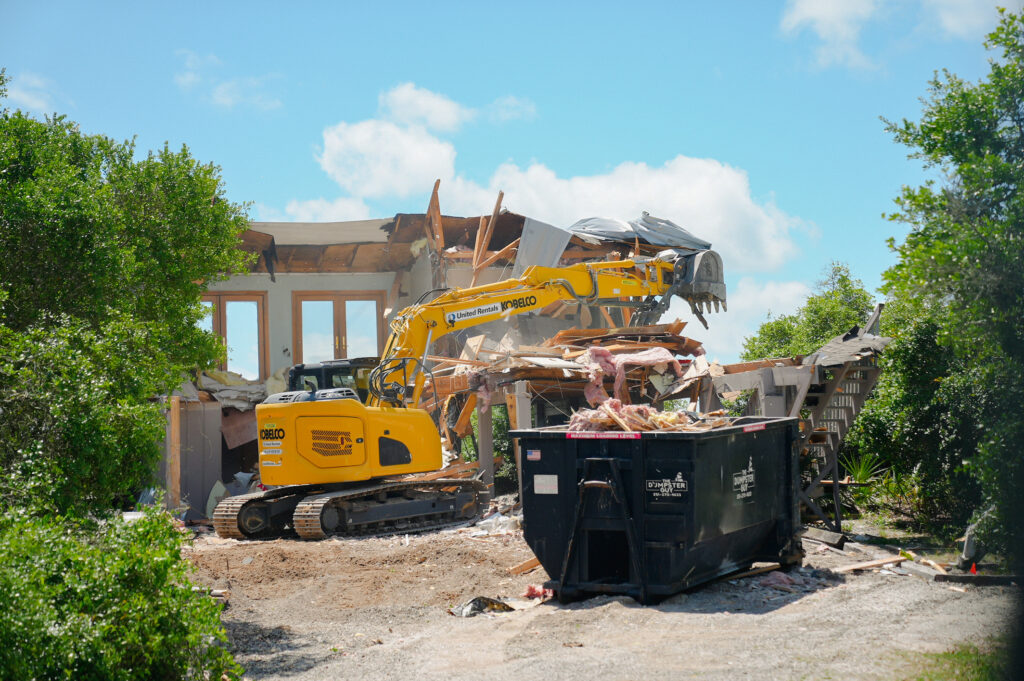
Interior selective demolition uses many advantages for residential or commercial property proprietors and programmers in Detroit, MI. This procedure enables for particular removal of non-structural aspects, such as wall surfaces, components, and floor covering, without endangering the stability of the total framework. By targeting only the areas that need restoration, residential or commercial property proprietors can save time and decrease prices connected with complete demolition.
Additionally, selective demolition advertises sustainability by permitting for the salvage and recycling of products, therefore decreasing waste. This environmentally aware method lines up with the expanding fad of environment-friendly building and construction methods. Additionally, selective demolition can promote quicker project timelines, as it typically entails much less disruption to bordering areas contrasted to extensive demolition initiatives.
Ultimately, the tactical execution of indoor selective demolition enhances the efficiency of renovation projects, resulting in improved capability and visual charm for existing residential or commercial properties in Detroit's evolving metropolitan landscape. (best demolition contractor in detroit)
Key Considerations for Selective Demolition Projects
When preparing a selective demolition task, a number of crucial factors to consider should be addressed to assure its success. To start with, detailed assessments of the existing structure are important to recognize materials that call for removal and those that must be maintained. Comprehending regulatory requirements, consisting of authorizations and safety and security codes, is fundamental to guarantee compliance and prevent legal problems.
Creating a thorough plan that outlines the range of job, timelines, and budget is critical for effective project monitoring. Involving experienced specialists can reduce dangers connected with hazardous products, such as asbestos or lead.

The Process of Selective Demolition Discussed
Selective demolition includes a methodical approach that prioritizes the careful elimination of certain architectural elements while preserving the stability of the surrounding environment. The procedure begins with an extensive analysis of the website, recognizing which elements need to be removed and which have to be retained. Following this analysis, a comprehensive demolition strategy is developed, describing security procedures and waste administration strategies.
When the strategy is in location, the demolition team prepares the site by securing essential licenses and ensuring that utilities are detached. The real demolition procedure uses specialized techniques and devices to take down targeted structures, such as fixtures, ceilings, and wall surfaces, lessening waste and noise. Throughout the procedure, cautious tracking is performed to attend to any unforeseen difficulties. The site is cleansed up, with recyclable products arranged and unsafe waste disposed of suitably, making certain that the surrounding atmosphere stays secure and uninterrupted for future usage.
Instance Studies: Successful Projects in Detroit
Successful jobs in Detroit highlight the efficiency of selective demolition in revitalizing city rooms. One remarkable situation entailed the makeover of a previous commercial site right into a vibrant mixed-use growth. Selective demolition enabled the mindful elimination of unsafe products while protecting structural elements, enabling the assimilation of modern-day features with historic design.
One more project included the repurposing of an old warehouse into an area arts facility. The selective method assisted in the removal of non-essential interiors, developing open areas optimal for imaginative undertakings while keeping the structure's personality.
In addition, a residential conversion showcased how selective demolition can adapt out-of-date structures for modern living. By getting rid of interior dividings and out-of-date systems, the job rejuvenated the my review here structure, bring in new locals and fostering neighborhood interaction.
These examples show how selective demolition not just improves safety and performance however additionally adds to Detroit's continuous city revival efforts.
The Future of Selective Demolition in Urban Revitalization
An enhancing number of city coordinators and designers are recognizing the possibility of selective demolition as an essential strategy for revitalizing cities. This strategy permits the careful elimination of specific indoor components, making it possible for the conservation of traditionally substantial frameworks while making room for modern uses. As cities like Detroit come to grips with maturing facilities and a need for lasting advancement, selective demolition provides a feasible solution to repurpose existing buildings.
The future of selective demolition hinges on its combination with lasting techniques. By reusing materials and decreasing waste, cities can minimize their environmental impact while promoting economic growth (best demolition contractor in detroit). In addition, this approach advertises neighborhood engagement, as neighborhood stakeholders typically take part in the decision-making procedure concerning which structures to modify or protect. As city revitalization initiatives gain momentum, selective demolition is most likely to play a progressively critical duty in shaping the landscapes of tomorrow's cities, mixing history with advancement
Frequently Asked Inquiries
What Allows Are Needed for Interior Selective Demolition in Detroit?
A demolition permit is usually required, along with any type of essential ecological licenses, specifically if harmful materials exist. Furthermore, compliance largest building demolition with local structure codes and laws is crucial for risk-free and legal demolition methods.
For how long Does an Ordinary Selective Demolition Task Take?
An you can look here ordinary selective demolition task commonly takes in between one to three weeks, relying on the job's dimension, intricacy, and the level of the work needed. Aspects such as site problems and allowing might also influence the timeline.
Exist Specific Safety And Security Rules for Selective Demolition?
What Kinds Of Materials Can Be Salvaged Throughout Demolition?
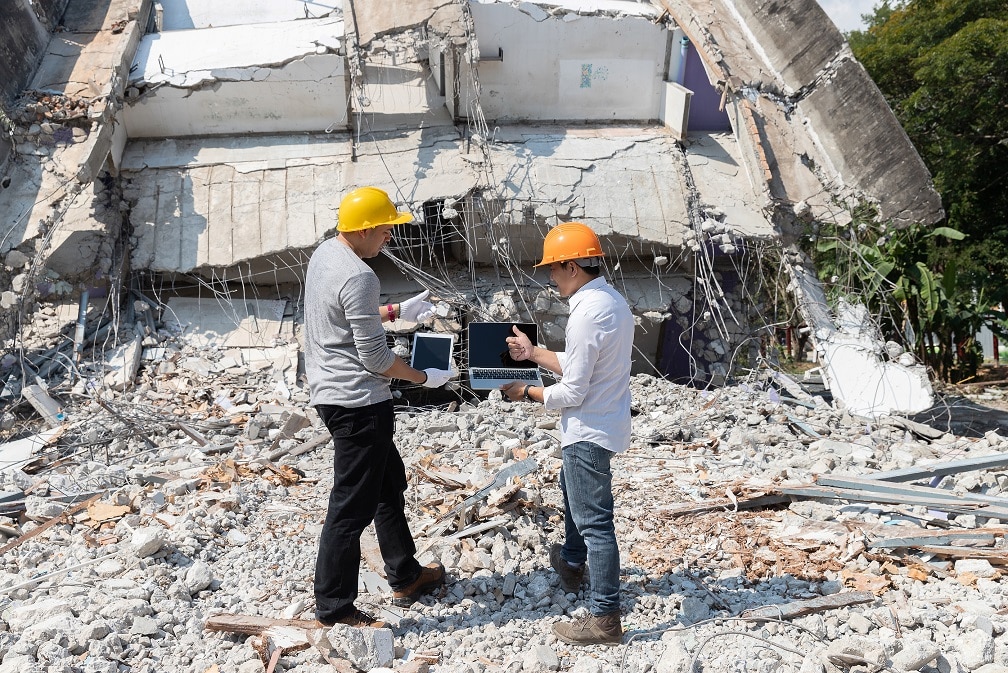
Numerous materials can be salvaged throughout demolition, including timber, steel, components, blocks, and concrete. Multiple-use products enhance sustainability by reducing waste, while giving chances for recycling and repurposing in brand-new building or improvement jobs.
Just How Much Does Interior Selective Demolition Typically Cost?
Generally, indoor selective demolition costs range from $2 to $10 per square foot, depending upon factors such as job intricacy, material types, and neighborhood labor prices, influencing total expenditures for both business and household properties.
Interior selective demolition in Detroit, MI, is reshaping the landscape of metropolitan revival. Interior selective demolition uses numerous advantages for residential or commercial property proprietors and designers in Detroit, MI. When intending a careful demolition project, numerous crucial considerations need to be resolved to guarantee its success. Effective jobs in Detroit highlight the performance of selective demolition in rejuvenating city areas. An ordinary selective demolition task usually takes in between one to 3 weeks, depending on the task's dimension, intricacy, and the level of the work required.